
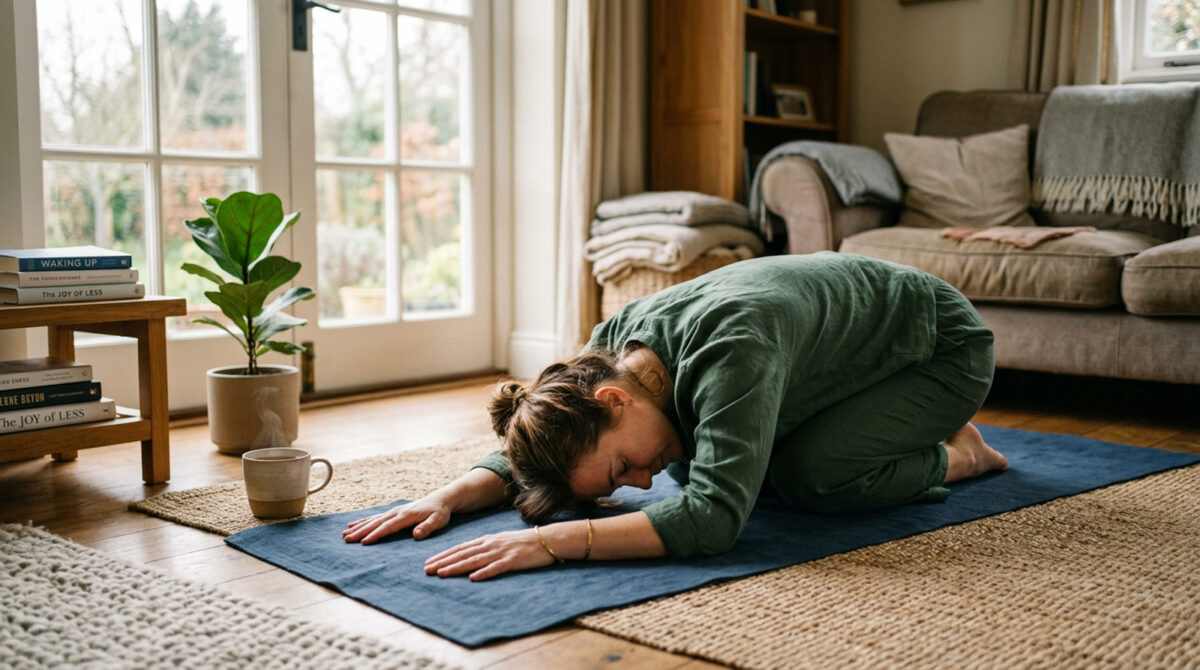
Creating a balanced morning routine is one of the most effective ways to support your overall health. For many of us, balancing family schedules, commutes, and a real desire to care for our body and mind, mornings can feel like a daily scramble. When morning time management turns into rushing, skipping basics, and reacting to everyone else’s needs first, stress from unbalanced mornings shows up fast. That kind of start quietly chips away at health and well-being and has an impact through the rest of the day, even when everything looks “fine” on the outside. By starting your day with simple, repeatable habits, you can give yourself a steady foundation for both your body and mind. This approach helps you feel more energized, focused, and ready to handle whatever comes your way.
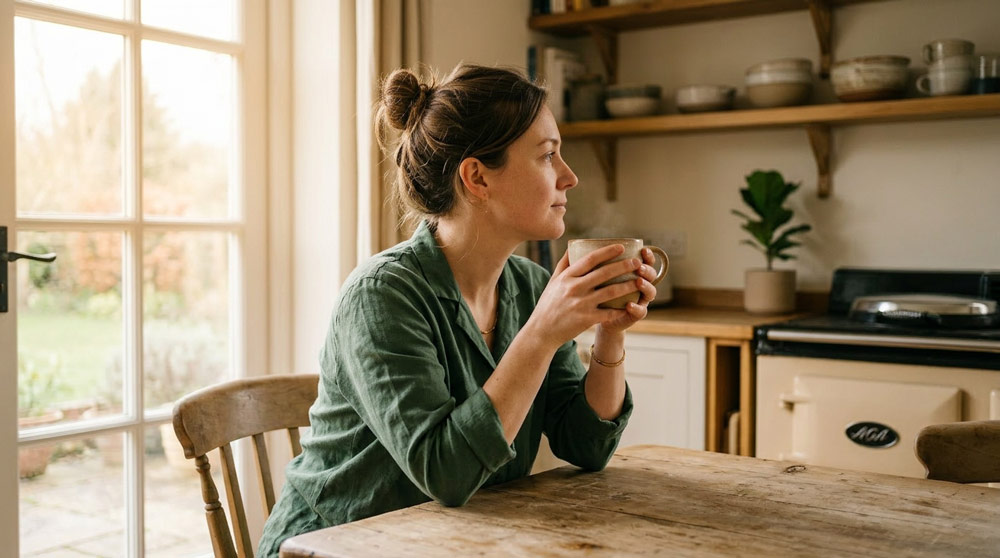
The Power of a Balanced Morning Routine
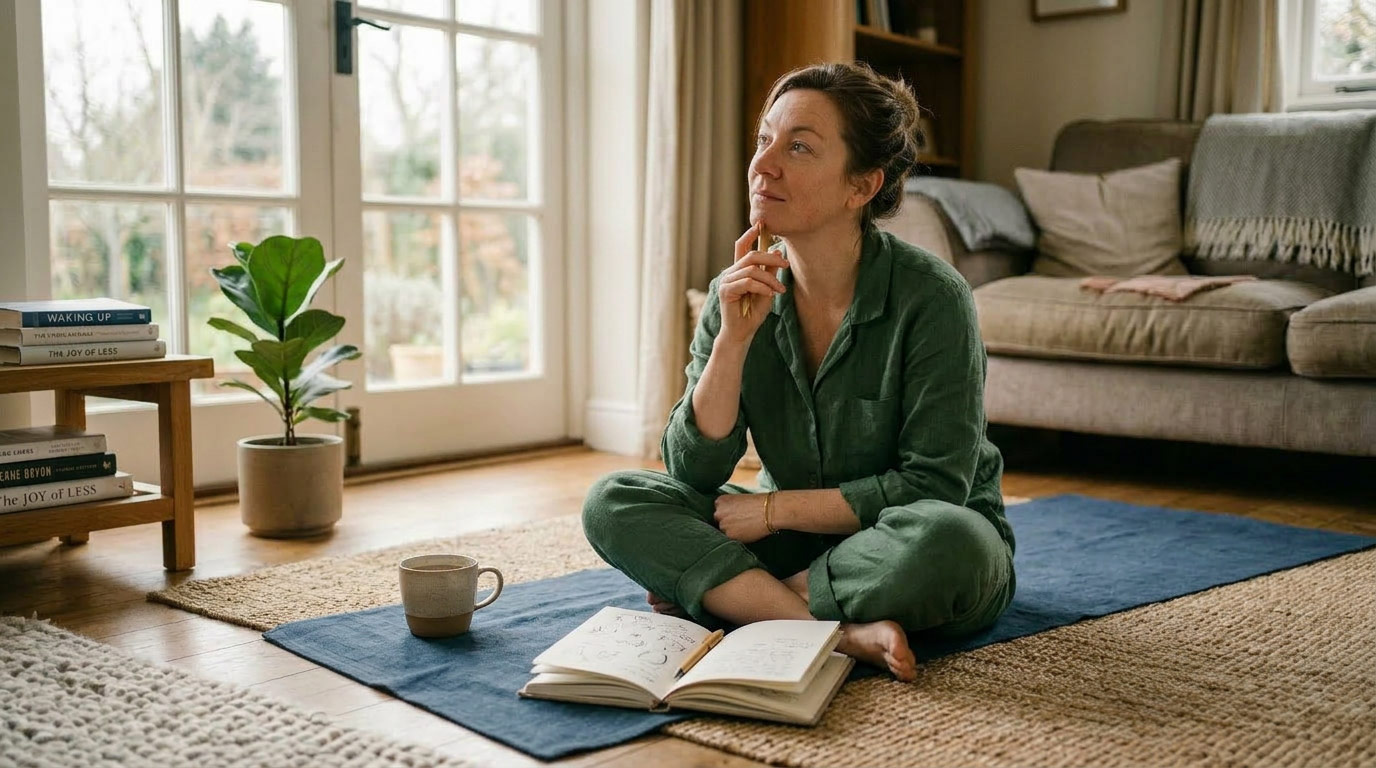
A balanced morning routine is all about creating a simple, repeatable set of habits that nurture both your body and mind. The goal isn’t to achieve perfection, but rather to establish consistent practices that build positive momentum. When you stick to these habits day after day, your energy becomes more stable and your focus improves, making it easier to handle all that the day brings.
This matters because healthy routines help manage stress, support sleep, movement, and nutrition. It also helps to remember that mental health affects physical health, so a calmer start can show up in your body later.
Think of it like setting out a simple trail map before a busy day. A few anchors like water, gentle stretching, and a quiet minute reduce decision fatigue. Then school drop-offs, work, and errands feel less like a sprint.
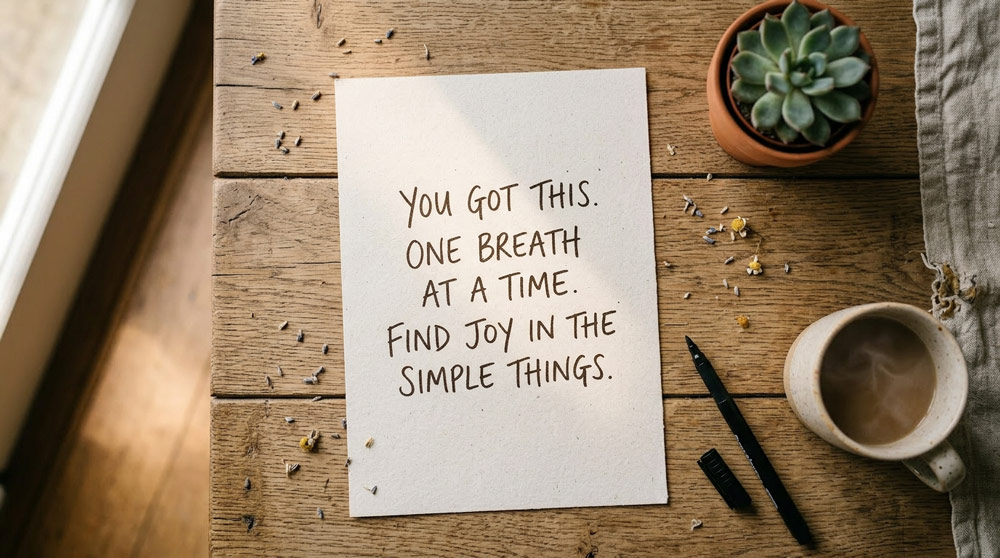
Make a Quote Poster That Nudges You Into Better Habits
Once you understand why balance works, the next step is putting gentle cues in your environment so you actually follow through. Try designing a motivational poster with a single quote that truly inspires you in the morning — something that feels personal, hopeful, and doable. When that line is big and visible, it becomes a simple mindset reset: a friendly nudge toward the habits you’re building, right when your day is taking shape. You can even use an easy-to-use app to create custom print posters that lets you design, customize, and order high-quality printed posters with templates and intuitive editing tools. OR, DIY with paper and pen.
Example Poster:
“Start steady. Choose one healthy habit, and let today build from there.”
— Your Morning Matters
Action cue: Breathe out longer than you breathe in.
This kind of cue makes your intention visible and actionable. Place it somewhere you’ll see it first thing — like your bathroom mirror or closet door — to remind yourself to start your day with purpose and calm.
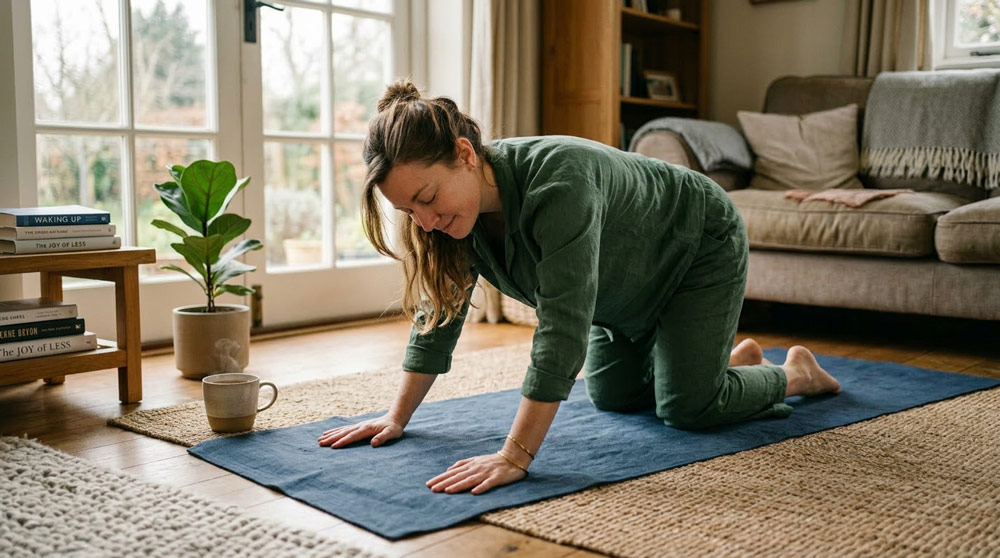
Pick 5 Morning Moves (Including a 10-Minute Yoga Flow)
Some mornings you have energy for a full routine; other mornings you’re just trying to get everyone out the door. Use this “pick 5” menu: choose any five minutes (or five moves) that match your quote poster message and help your body feel safe, steady, and awake.
- Do a 10-minute beginner yoga flow (no fancy poses): Start with 3 slow breaths, then do 1 minute each of Cat–Cow, Child’s Pose, Down Dog (bend knees!), low lunge on each side, and a gentle forward fold. Finish with Mountain Pose and a long exhale like you’re fogging a mirror. This flow warms joints, wakes up your spine, and gives your nervous system a clear “we’re okay” signal before the day speeds up.
- Try a 2-minute “name what’s here” mindfulness check-in: Sit on the edge of your bed and quietly label three things: one body sensation, one emotion, and one thought. Then add one kind sentence you’d say to a kid who felt that way: “Of course you’re tense, today matters.” Mindfulness-based practices can support mood, and evidence like MBSR producing small to moderate reductions in anxiety and depression helps explain why this tiny pause can be worth it.
- Use a quick stress-reset breath (especially if mornings feel rushed): Do “physiological sighs” for 60 seconds: inhale through your nose, top it off with a short second sip of air, then exhale slowly through your mouth. Repeat 5–8 rounds. It’s simple, discreet, and you can do it while making breakfast for the kids, letting your coffee brew, or while you’re waiting for the shower to warm up.
- Build a “minimum viable breakfast” in 3 parts: Pick one protein, one fiber, and one hydration option, then keep it boring on purpose. Example: yogurt + berries + water, or eggs + toast + herbal tea. This stabilizes energy and mood, and it also reduces decision fatigue, which makes your quote poster promise easier to keep.
- Make your quote poster your trigger for one tiny action: Place the poster where your eyes land first (bathroom mirror, closet door). Under the quote, add a one-line instruction like “Breathe out longer than you breathe in” or “Roll shoulders back twice.” When the cue is visible and the action is tiny, you’re more likely to follow through — especially on the mornings you’re not feeling motivated.
- Add a 3-minute mobility “joint hello” (great for stiffness): Do 5 slow neck circles each direction, 10 shoulder rolls, 10 hip circles, then 10 ankle circles per foot. Keep it gentle and pain-free; this is lubrication, not a workout. This warm-up can make your yoga flow feel dramatically more doable.
Morning Routine + Yoga Questions, Answered
Q: How do I keep a morning routine when my schedule changes every week?
A: Build a “tiny core” you can do anywhere: one minute of breathing, one minute of mobility, and one simple breakfast choice. Keep the rest optional so you can scale up on calmer days. If you miss a morning, restart at the next cue, like brushing your teeth.
Q: What if I’m too stiff or sore for yoga in the morning?
A: Start with joint circles and easy movements before any holds, and keep everything pain-free. Use props like a chair or wall, and shorten your range of motion. If something pinches or causes sharp pain, skip it and choose a gentler option.
Q: Can yoga actually help with stress, or is it just hype?
A: The evidence is mixed, but short-term effects of yoga suggest it can support stress relief for some people. Treat it like a skill: consistent, kind practice often matters more than intensity. Pair movement with a longer exhale to signal “safe enough” to your body.
Q: How early should I wake up to feel calm without losing sleep?
A: Start by adding just 5 minutes, not an hour. Your circadian rhythm works best with steady wake times, so aim for consistency more than perfection. If you feel groggy all day, prioritize sleep and keep the routine shorter.
Q: What should I do if mindfulness makes me more anxious?
A: Keep it external and grounding: notice five things you can see, then place a hand on your chest and take three slow breaths. Try mindful movement instead of sitting still, like a gentle forward fold or walking around the room. If anxiety feels intense or persistent, consider extra support from a qualified mental health professional.

Build a Calmer, Healthier Day With One Balanced Morning Habit
Some mornings feel like a race before your feet even hit the floor, and it’s easy to think a routine has to be perfect to work. A gentle morning routine reflection, rooted in consistent self-care and a flexible, kind mindset, keeps the focus on progress, not pressure. Over time, the benefits of balance show up as steadier energy, a calmer mood, and more confidence that you can care for yourself even when life shifts. One small change, repeated, builds balance. Tomorrow morning, choose one simple anchor from this approach and practice it for a week. That’s how encouragement for wellness becomes a positive lifestyle change you can lean on for resilience and health.