

Daily life puts quiet pressure on the mind, and most of us learn to carry it rather than release it. But small, intentional habits can create room for steady calm to return. Here, we explore everyday practices that don’t require perfect discipline, just a willingness to tune into what your body and environment are already telling you.
Key Things Worth Keeping in Mind
- Your surroundings influence emotional patterns more than you realize.
- Gentle movement practices help regulate mood and support steadiness.
- Digital creativity can give emotions an accessible outlet.
- Rituals work best when they feel natural, not forced.
- Small, steady shifts tend to last longer than quick fixes.

Let Your Environment Do Some of the Work
People often assume mood changes must come from inside, yet environmental cues push the nervous system in powerful ways. Adjusting lighting in the evening signals the brain to soften; stepping near a window during the day changes sound, air, and attention; introducing a familiar scent can interrupt moments of overwhelm. These are low-effort adjustments that create a mental backdrop where calm doesn’t have to be manufactured—it simply becomes more available.

Creative Expression as Emotional Ventilation
Digital creativity can also act as a gentle form of emotional release. Turning inner thoughts into simple visual sketches, especially through an AI art generator, can help you process feelings without needing words. You can type a prompt and adjust the colors or style until the image reflects your mood. For an easy place to explore this kind of reflective artwork, this site has potential, offering a calm starting point for visual self-expression.
Movement That Clears the Mental Static
If emotional fog feels persistent, movement often cuts through it more effectively than thought-based strategies. Establishing a simple yoga rhythm, even a short one, helps unblock the day’s accumulated tension and reconnects you with your breath. Slow, intentional sequencing encourages the nervous system to downshift at a pace the mind can follow. For structured guidance, taking classes from InTune Yoga with Linda Black can introduce supportive instruction and a sense of grounding community.
A Quick Note on Simplicity
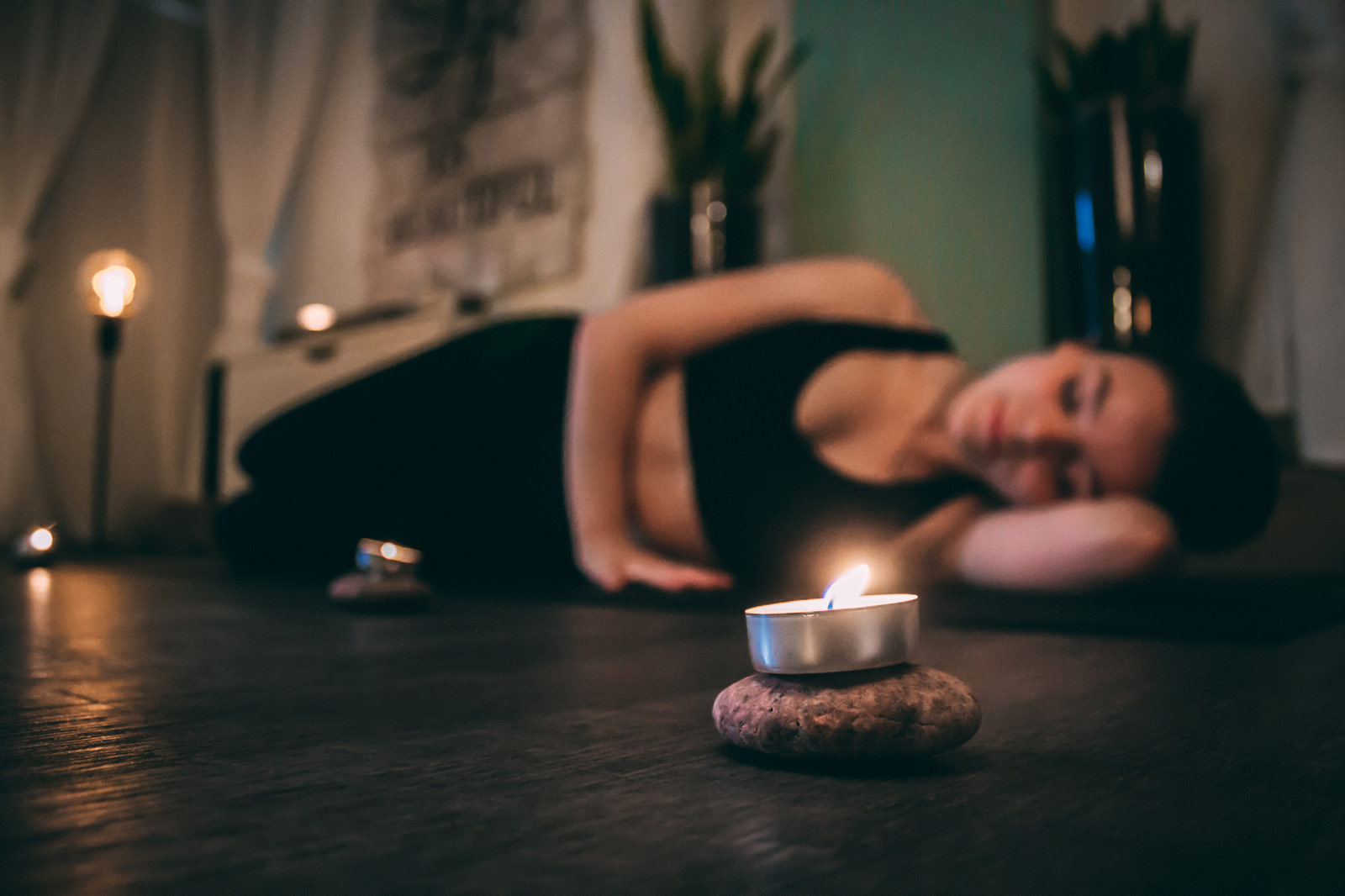
There’s no need for complicated wellness routines. Small, predictable actions have the highest long-term impact.
- Step outside for a single minute to change your sensory inputs.
- Practice “labeling” thoughts to cut their emotional intensity.
- Keep a comfort object nearby, a piece of fabric, a stone, or something with texture, to reset your focus.
- Keep a few “state-shifting songs” ready for mood transitions.
- Do a 30-second stretch every time you switch tasks.
- Reserve one corner of your home as a decision-free zone.

How to Choose Practices Based on Mood
Before you read the table, note that emotional states respond best when your actions match their underlying need.
| How You Feel | Helpful Action | What It Regulates |
| Drained | Warm drink and gentle mobility | Energy restoration |
| Tense | Slow breathing with longer exhales | Stress physiology |
| Distracted | Visual focus exercise | Cognitive stability |
| Irritable | Quick environmental shift | Sensory overwhelm |
| Unsettled | Light journaling | Emotional processing |

How to Build a Steadying Ritual
Before beginning, remember that the point of a ritual is consistency, not perfection.
- Choose a moment of the day when you naturally pause.
- Pair it with a grounding or movement practice you already enjoy.
- Add a simple cue, such as a sound or time-based reminder.
- Keep tools in one designated spot to reduce friction.
- Adjust weekly to ensure it still feels doable.
- Celebrate small wins to reinforce the habit.
FAQ
Below is a deeper, more practical set of answers for anyone committed to building better mental health routines.
How do I know which practice will work best for me?
Start by observing your most common stress pattern: restlessness, heaviness, or fog. Pair each with a corresponding strategy: movement for restlessness, grounding for heaviness, sensory clarity for fog. Stick with your chosen approach for a week before assessing its impact.
What if I can’t stay consistent with any routine?
Shrink the habit until it becomes almost too easy to ignore. A 10-second breathing practice can build more long-term traction than a 20-minute routine you abandon after three days. Consistency shapes identity, and identity shapes behavior.
How long does it take to notice meaningful improvement?
Small shifts often register within days, but deeper changes require several weeks of repetition. Think of the process like developing a new baseline: steady, incremental, and increasingly reliable.
Is movement actually more effective than mindset work for regulating emotions?
Often yes. Physical shifts are faster at calming the stress-response system than cognitive reframing. Thought-based strategies work best after the body is regulated, not before.
What if creative tools feel intimidating or unfamiliar?
You don’t need artistic ability. The purpose is expression, not aesthetics. Visualizing your internal state externalizes stress and helps emotions become more manageable.
Should I try several practices at once?
No. Starting small prevents overwhelm. Add layers only when the first habit feels automatic.
What if nothing seems to help at all?
This usually signals that your chosen practices don’t match the type of stress your body is experiencing. Reassess whether you need grounding, stimulation, movement, or expression. If emotional intensity remains persistently high, pairing self-guided work with professional support may create the foundation you need.

Conclusion
Mental well-being improves through small, strategic adjustments, not dramatic interventions. When you intentionally shape your environment, engage your body, and choose habits that support clarity, your emotional baseline becomes more stable. The practices above are simple by design, but their impact compounds quickly. Start with one, repeat it daily, and let the results build.