
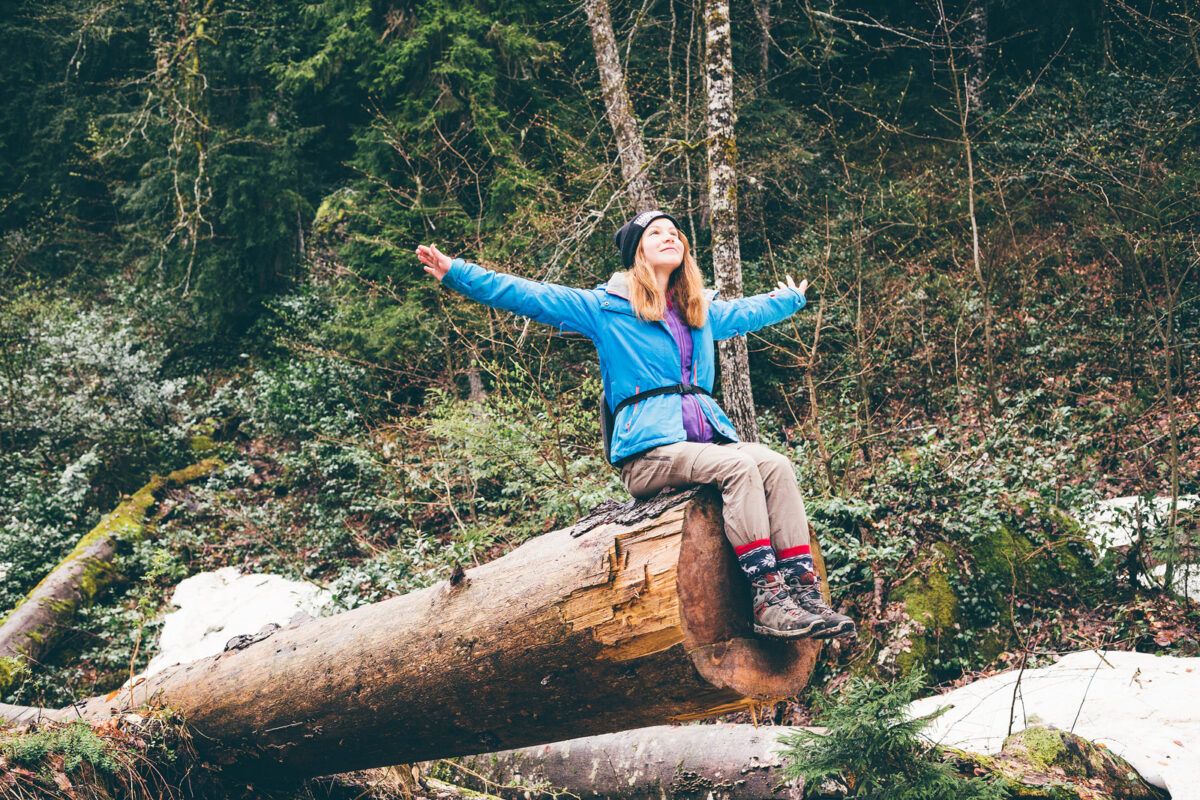
Self-care practices that support mental health are the everyday actions—small or substantial—that help your mind and body handle stress, recover from hard moments, and stay steadier over time. They’re not a luxury item for “when life calms down.” They’re more like basic maintenance for the human system. And while self-care won’t fix every problem (some situations call for therapy, medical care, or urgent support), it can meaningfully raise your baseline.
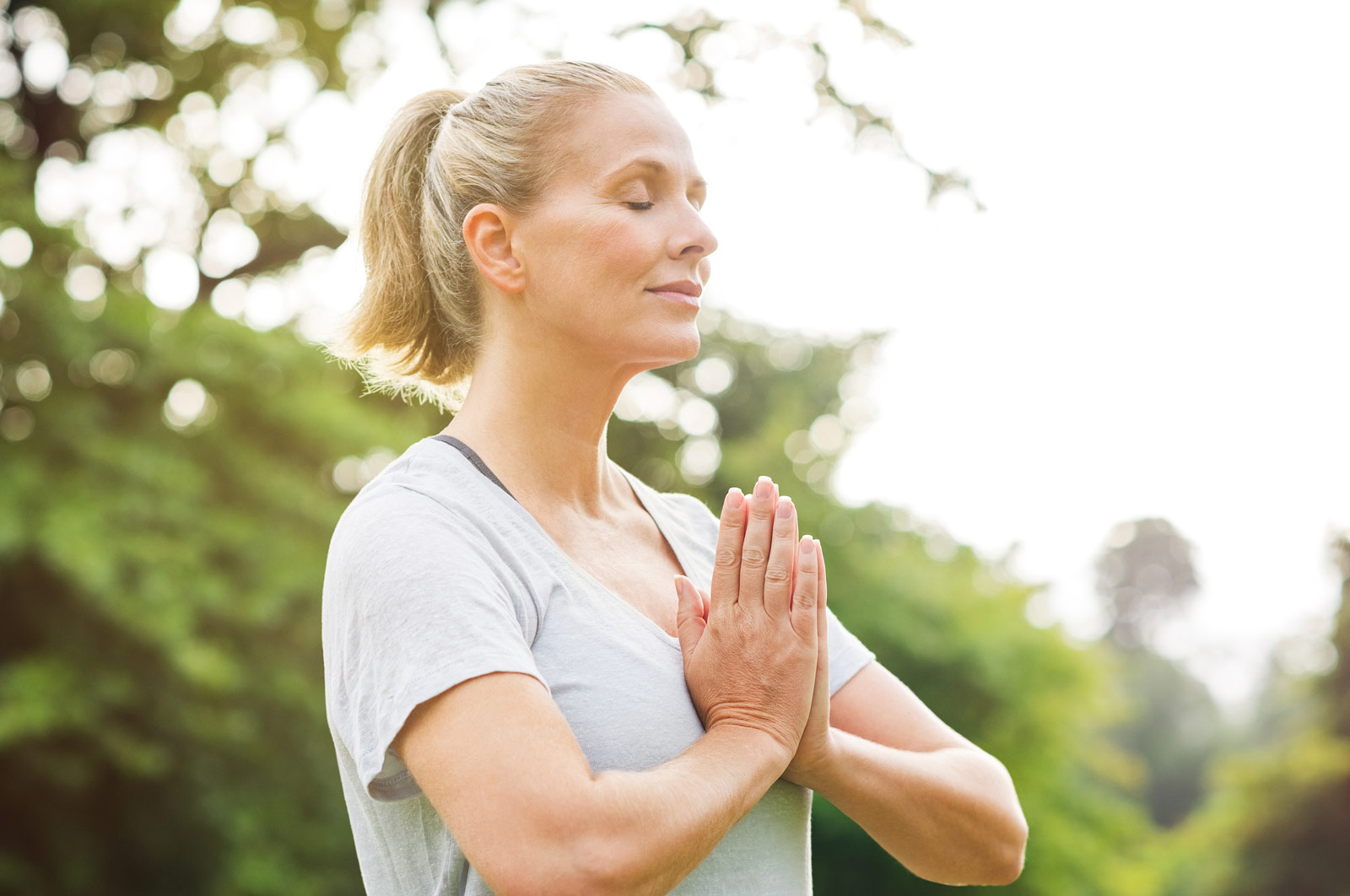
A fast snapshot you can use today
If you only do a few things, do these: protect sleep, move your body a little, eat and hydrate regularly, and talk to someone real (not just “doomscroll with company”). Add one calming practice you can repeat even on messy days—like slow breathing or even a short walk. Self-care works best when it’s simple enough to repeat, not perfect enough to impress.
A few practices, compared
| Practice | What it can support | When to be cautious |
| Sleep routine | Mood stability, focus, resilience | Chronic insomnia may need professional support |
| Movement | Stress relief, energy, confidence | Injuries/pain: modify or ask a clinician |
| Connection | Loneliness, anxiety loops | If relationships are unsafe, seek specialized help |
| Mindfulness/breathing | Rumination, tension | Trauma history: go gently, stop if it spikes distress |
| Nourishment + hydration | Irritability, fatigue | Disordered eating: use a supportive approach |
Four alternative modalities that some people use for stress relief
A few nonstandard options show up in wellness routines. Consider safety, interactions, and your own health history first—and treat these as “possible tools,” not magic fixes.
- Acupuncture can feel calming for some people and may help with tension and sleep.
- Biofeedback (often guided by a clinician or device) teaches you to notice and shift stress signals like breathing and heart rate patterns.
- Rhodiola rosea is an herbal supplement some people take for fatigue or stress, but it can interact with medications and isn’t for everyone—check with a clinician or pharmacist.
- THCa products are hemp/cannabis-adjacent and laws vary by location; if you’re exploring that route, start low, understand impairment risks, and avoid mixing with alcohol or activities like driving—this might be useful to get you started.
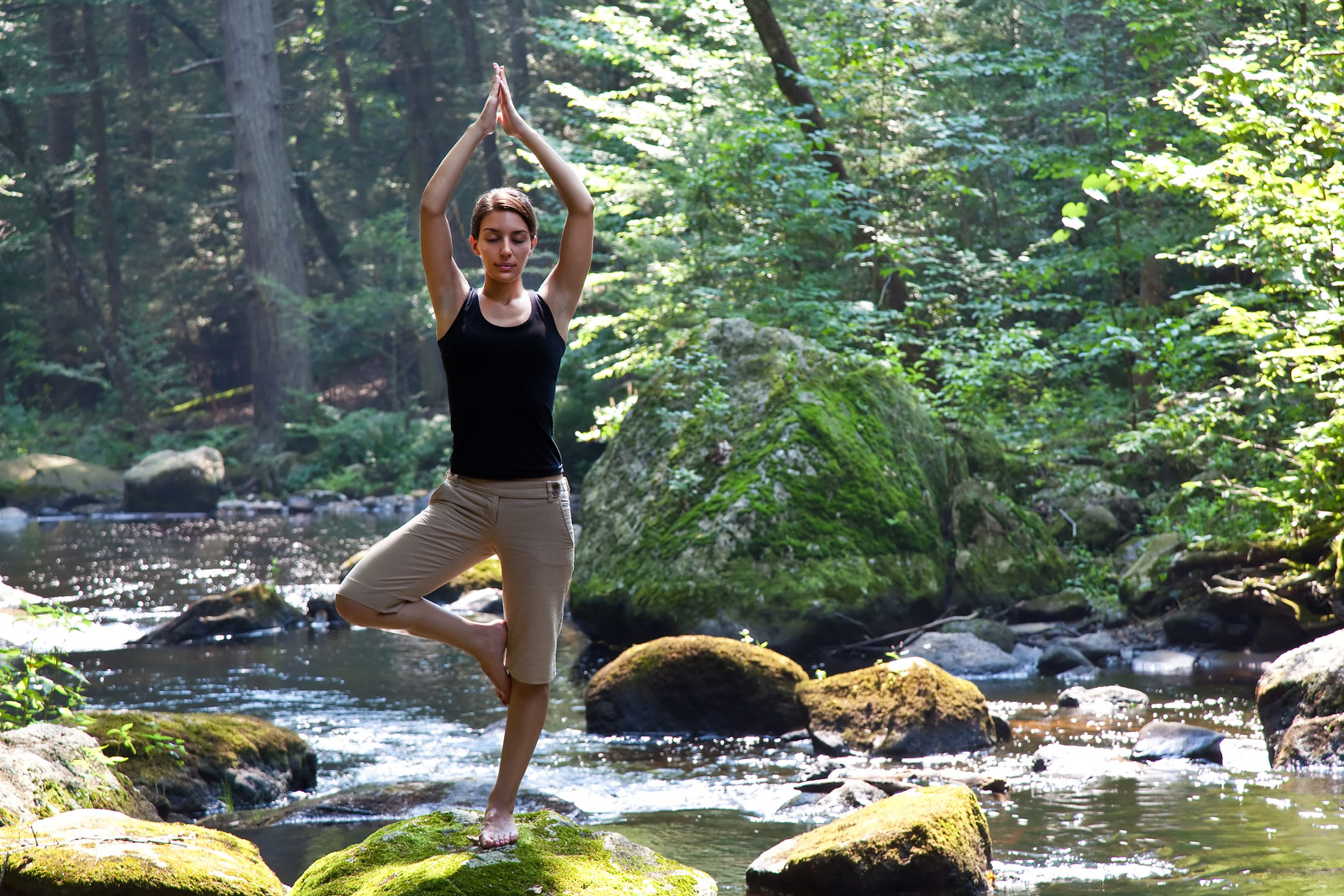
The mental health benefits of yoga (without making it complicated)
Yoga blends movement, breath awareness, and attention training—three things that tend to nudge the nervous system toward calm. Research reviews commonly find yoga interventions are associated with reductions in stress and symptoms of anxiety and depression for many people, especially when practiced consistently.
If you’re curious, look for classes or guidance that feel welcoming, not punishing. A gentler style, a beginner series, or even a short, consistent home practice can be enough to notice shifts in sleep quality, muscle tension, or mood steadiness. If you want a local option to explore, InTune Yoga & Wellness is one place to start.
Micro-moves (pick 2, not 12)
- Put your phone in another room for the first 10 minutes after you wake up.
- Do one “body check”: unclench jaw, drop shoulders, exhale longer than you inhale.
- Step outside and look at the farthest thing you can see for 30 seconds.
- Eat something with protein + fiber before caffeine (even a little).
- Set a timer for 5 minutes and tidy one small surface—then stop.

FAQ
How do I know which self-care habit to start with?
Start with the one that’s most repeatable this week. The “best” habit is the one you’ll actually do three times.
Is self-care the same as treating mental illness?
Not exactly. Self-care can support treatment and recovery, but it doesn’t replace professional care when symptoms are intense or persistent.
What if I don’t feel better immediately?
That’s normal. Many practices work like physical training: you notice the benefits after repetition, not after a single perfect session.
When should I seek urgent help?
If you feel unsafe, in crisis, or worried about harming yourself, reach out for immediate support. In the U.S., you can call or text 988 for the Suicide & Crisis Lifeline.
One solid resource to keep in your back pocket
If you want a practical, reputable starting point (no fluff), the National Institute of Mental Health has a straightforward guide on everyday actions that support mental health—sleep, movement, social connection, stress management, and when to get help. It’s written for real life, not “wellness perfection.” Bookmark it and revisit it when your brain is too tired to invent a plan.
Conclusion
Self-care isn’t one grand gesture; it’s a stack of small choices that make your nervous system easier to live inside. Aim for consistency over intensity, and build routines that still work on your worst Tuesdays. If you’re struggling beyond what habits can hold, getting support is also self-care. And if today’s “self-care” is just eating something, stepping outside, and texting a friend—count it.